October 13, 2026
Choosing a wedding venue is one of the first major decisions couples make during the planning process. The venue influences the date, guest experience, overall atmosphere, and often the style of other wedding details. With so many options available, it can be easy to feel overwhelmed before making a decision. According to Gitnux, approximately 12,000 wedding venues operate in the United States, giving couples a wide range of choices as they begin planning.
Before touring venues or putting down a deposit, establish a general vision for the celebration. Consider the number of guests, preferred location, desired atmosphere, and overall budget. Having these details in mind can make it easier to narrow down the options and focus on wedding venues that genuinely fit your needs.
What Factors Should You Consider When Choosing a Wedding Venue?
Several factors should be evaluated before choosing among wedding venues. Location is an important starting point. Consider whether the venue is convenient for most guests and whether there are hotels, transportation options, and other accommodations nearby. A beautiful location may not be practical if guests have significant difficulty reaching it.
Guest capacity is another essential consideration. The venue should comfortably accommodate everyone on the guest list while leaving enough space for dining, dancing, entertainment, and other activities. Avoid choosing a location that is either too small or substantially larger than necessary.
Budget should also guide the search from the beginning. Ask what is included in the venue's rental fee and which services cost extra. Tables, chairs, linens, catering, staffing, decorations, and cleanup may or may not be included. Understanding these details can prevent unexpected expenses later.
Finally, consider the venue's style. A historic building, rustic barn, modern event space, garden, or beachfront location can create very different atmospheres. Look for wedding venues that naturally complement the type of celebration you envision rather than relying entirely on decorations to transform the space.
How to Budget for Your Wedding Venue?
Creating a realistic venue budget early can help keep the rest of the wedding financially manageable. A commonly used guideline is to allocate roughly 20% to 30% of the overall wedding budget to the venue and related reception expenses, although the appropriate amount varies considerably depending on location, guest count, and priorities.
Start by determining the maximum amount you are comfortable spending. Then ask each venue for a detailed breakdown of its pricing. Some wedding venues charge a straightforward rental fee, while others use packages that combine the space with catering, bar service, furniture, or staffing.
It is also important to ask about additional charges. Service fees, taxes, overtime, security deposits, corkage fees, and cleanup costs can significantly affect the final price. A venue that appears inexpensive initially may ultimately cost more than a slightly higher-priced option with more services included.
Couples can also save money by being flexible. Consider an off-season wedding, a Friday or Sunday celebration, or a less popular time of day. Some wedding venues offer lower rates for dates that are less in demand. Reducing the guest list can also produce substantial savings because many venue-related expenses are tied directly to the number of attendees.
What Are the Most Popular Types of Wedding Venues?
Wedding venues come in many forms, allowing couples to select an environment that matches their personalities and plans. Outdoor venues are popular for couples who want natural scenery and an open-air atmosphere. Gardens, farms, vineyards, beaches, and private estates can provide memorable backdrops for ceremonies and photographs.
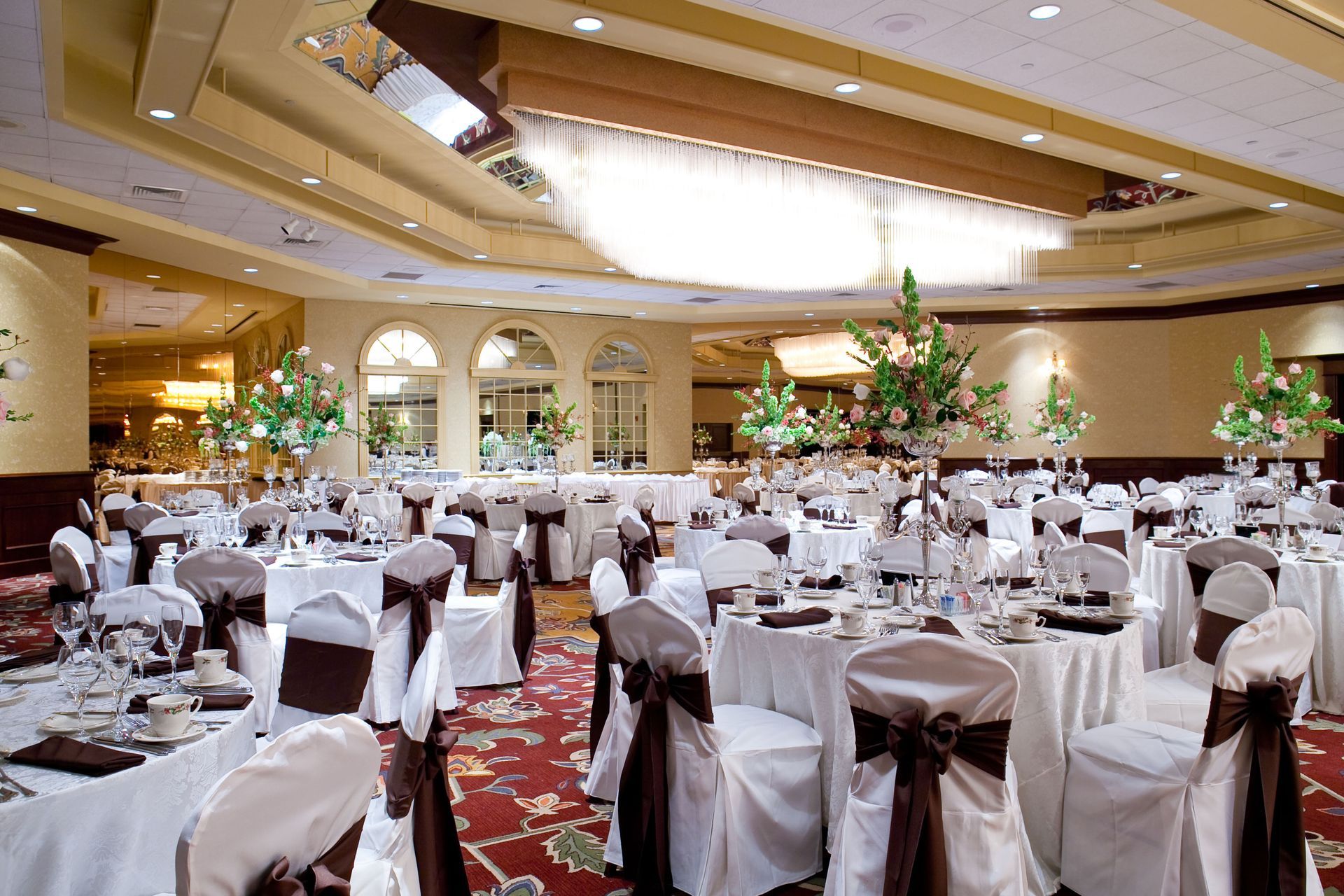
Indoor venues offer greater protection from unpredictable weather. Hotels, banquet halls, restaurants, historic buildings, and dedicated event spaces may also provide convenient amenities such as restrooms, kitchens, climate control, and established event staff.
Destination weddings offer another option for couples who want to combine their celebration with travel. Resorts and other destination properties may provide accommodations and wedding services in one location. However, couples should consider travel costs and accessibility for guests before committing to a distant venue.
Unconventional wedding venues can also create a distinctive experience. Museums, art galleries, breweries, theaters, private homes, and other unique properties may offer an atmosphere that traditional event spaces cannot easily replicate. When considering less conventional wedding venues, confirm that the property is equipped to handle essential requirements such as guest seating, catering, parking, restrooms, and event staffing.
When Is the Best Time to Book Your Wedding Venue?
The ideal time to book a venue depends on the location, season, and popularity of the property. In general, couples should begin researching wedding venues at least 12 to 18 months before their preferred wedding date. Popular locations and highly sought-after dates may require even more advance planning.
Starting early provides more choices. Couples can compare multiple properties, schedule tours, review contracts, and negotiate details without feeling pressured by an approaching deadline. It also gives them more flexibility if their preferred date is unavailable.
Once a couple finds a suitable venue, they should carefully review the contract before paying a deposit. Pay attention to cancellation policies, payment deadlines, guest limits, vendor restrictions, setup and breakdown times, and rules concerning alcohol or decorations.
Seasonality can also affect availability and pricing. Spring and summer dates are often popular, particularly for outdoor celebrations, while winter or weekday weddings may provide more availability and potentially lower rates. Being flexible with the date can significantly expand the number of wedding venues available to consider.
How to Customize Your Wedding Venue to Fit Your Theme?
A venue does not have to perfectly match a wedding theme when couples first tour it. Decorations, lighting, flowers, furniture, signage, and other design elements can transform a space while allowing couples to maintain their own style.
Begin by identifying a few key design elements rather than attempting to decorate every surface. Table arrangements, ceremony backdrops, lighting, and floral installations can have a substantial visual impact. For example, string lights and greenery can make a simple indoor space feel more intimate, while colorful arrangements and distinctive table settings can add personality to a neutral room.
Consider the venue's existing architecture as well. Rather than covering up every feature, use attractive elements as part of the design. Exposed brick, large windows, wooden beams, gardens, or historic details can become natural focal points.
Before purchasing decorations, ask wedding venues about their policies. Some restrict candles, hanging decorations, confetti, outside vendors, or alterations to the property. Understanding these rules in advance can prevent wasted money and last-minute changes.
Couples can also prioritize reusable or multipurpose decorations. Ceremony flowers may be moved to the reception afterward, while signage can serve multiple purposes throughout the day. These approaches can help create a cohesive theme without allowing decoration costs to overwhelm the overall budget.
Selecting a wedding venue is an important early step that can shape many other aspects of the celebration. Couples should consider location, capacity, budget, amenities, style, and guest experience before making a commitment. Comparing several
wedding venues can provide a better understanding of available options and help establish realistic expectations about pricing.
Starting the search early can also make the process easier, particularly for couples with a specific date or highly desirable location in mind. Once the venue is selected, thoughtful decorations and personalized details can transform the space into a celebration that reflects the couple's style.
The best choice ultimately depends on the couple's priorities. By establishing a budget, understanding venue policies, considering guests' needs, and allowing enough time for research, couples can approach the process with greater confidence and choose a setting that supports the wedding they want to create. If you're looking for a wedding venue, reach out to The Ayo Place today!